“When people experience our product, they love it! We just need to find more ways to get it in the hands of more people.”
Does this sound familiar? In-store sampling and freebies to your friends and family can only get you so far. Your product needs to stand on its own on store shelves because as distribution grows, you need to convince a broader group of people to take a chance on your product without the benefit of sampling it first.
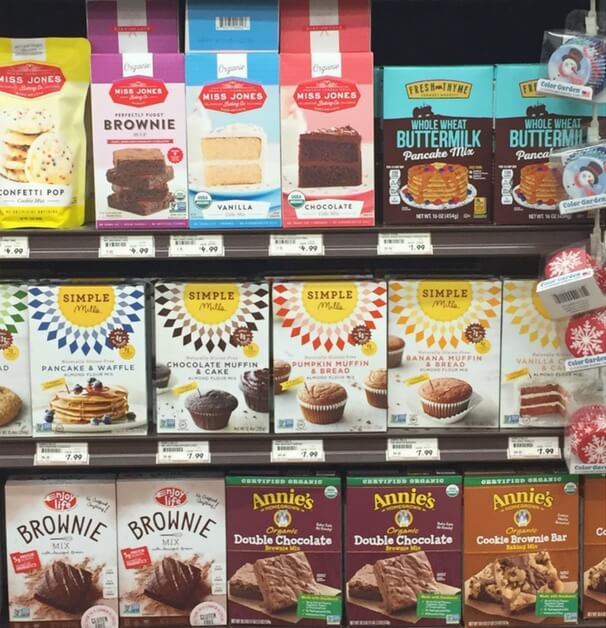
There are many factors that help drive sales velocity, but one of the biggest is your packaging. What makes you reach for certain products at the grocery store, yet walk right by most others? There are different types of shoppers, from those who have their grocery list down to a science and buy the same products every time, to the treasure hunters who love to see what’s new…and everything in between. In order to win the battle at shelf, your package needs to stop the brand’s ideal customers in their tracks and make it nearly impossible not to pick it up and at least flip the package over to learn more.
Standing out in a crowded market
Once you have determined the technical specifications of your food package, which can – and should! – reinforce your brand strategy (e.g. minimalist, recyclable, glass, functional benefit, reusable, etc.) there are several critical components to the food or beverage package’s graphic design that can help you share your message and balance taste, health and other benefits.
Start with your ideal customer in mind and show how your product meets their needs in a way other brands can’t or won’t. Here are some key considerations for food brand packaging:
- Decide the order of importance within the following items by creating a communication hierarchy for the front and back of the package.
- Logo size – Are you leading with your logo or is it simply there for credibility? Determine if the focus is on the brand logo or the product/sku name.
- Claims – Does your product have any proven health benefits you want to call out or functional ingredients that are on trend?
- Taste appeal – Don’t just say it, show it! As the saying goes, a picture is worth a thousand words.
- Descriptive phrases – What taglines or critical information do you want to appear on the front of the package to tell the story?
- Legal requirements – These are also called the executional mandatories and includes information that is legally required like net weight, standard of identity, etc.
- Usage suggestions – If you can show your product being used in different ways, or if you can drive people online for more ideas, the versatility can help reinforce value. It can also drive repeat purchases if the product is used up quickly!
- You’ll also want to provide your packaging design team information on the following critical branding elements:
- Brand personality – How would you introduce your brand at a party if it were a person?
- Color palette – What colors do you currently use based on your logo design? Do you want to use these colors for the package or are they over used in your category?
- Brand story – Your story is the very essence of who you are and why your company exists. Don’t go overboard, but share a little piece of your story to make that connection. Consumers are looking for it, so don’t underestimate the power of making that connection.
- As your design evolves, look at how the proposed designs look within the competitive set, including both natural-food competitors as well as traditional products.
- Consider whether the design is easily scalable to future line extensions, as well as club or convenience-store sizes.
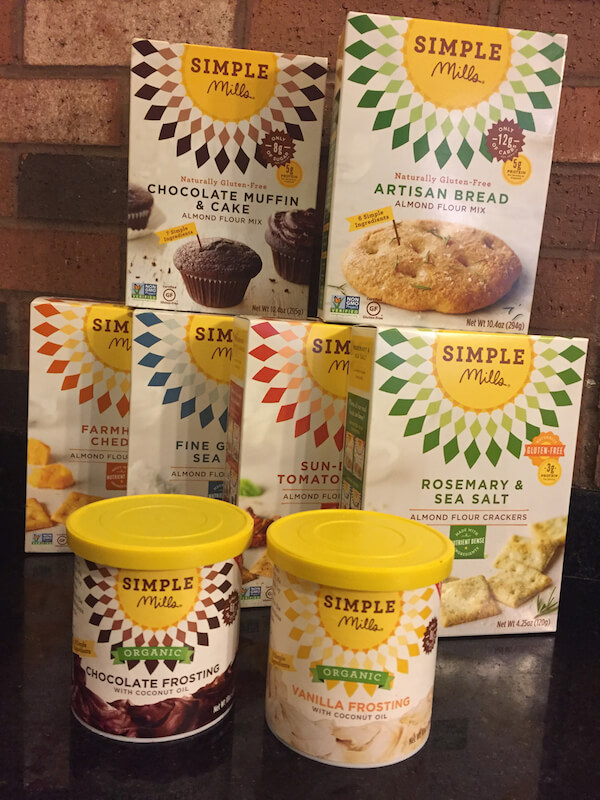 One company’s packaging that is an excellent example is Simple Mills; they knock it out of the park. I do not have any connection to Simple Mills or formal insight into their strategy, but here’s what I love:
- There is consistency across the product line, but very clear differentiation in flavors using color, text and photography.
- Taste appeal! The product photos on the packaging are simple, clean and appealing.
- The point of difference is clearly stated that they are made with almond flour, and for people who don’t know, it further explains that they are using nutrient dense ingredients.
- They also manage to include messaging for gluten-free, protein and non-GMO without overwhelming the design. This information also reinforces their commitment to deliver on their brand promises.
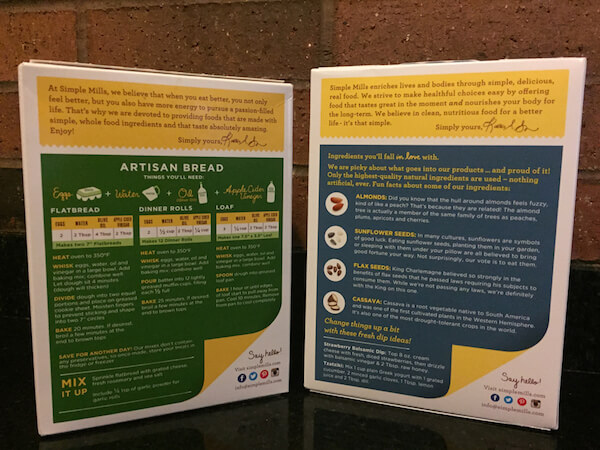
- On the back there is a message from the founder about the company’s promise, more details about what might be unfamiliar ingredients and, last but not least a recipe or tip. Usage ideas can help drive the initial purchase by offering a new meal or snack solution idea, but can also drive faster usage of the product and can result in better sales velocity at the retailer due to repeat purchases.
Another great packaging example is a brand I discovered at Whole Foods called Siete. The Siete tortilla chips packaging jumped out to me first because of their colorful beauty. I was thrilled to quickly discover ingredients that aligned with what I was looking for. And at home, I found that they taste incredible!
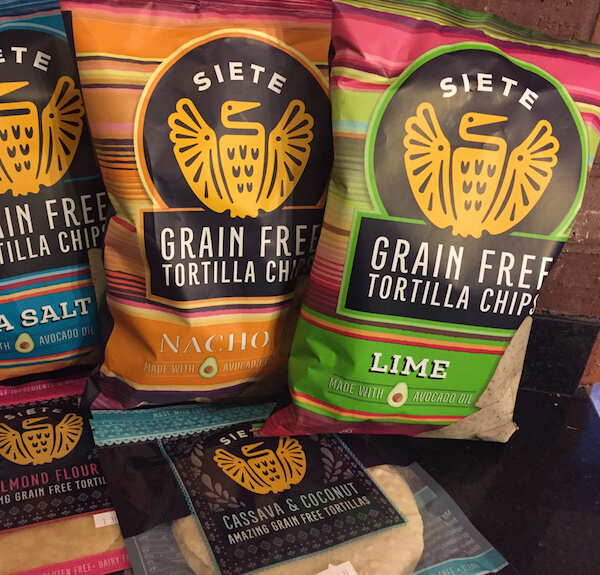 Like many consumers are doing with food brands, I started following them on Instagram. I soon learned they have other products, including tortillas, which I purchased at Fresh Thyme, and also enjoyed.
I admit I’m not the average consumer when it comes to natural food products, but this example illustrates that what started with creative, standout packaging has quickly drawn me in to be a loyal, engaged customer. Everything else they do with their marketing (e.g. recipe ideas on Instagram) is consistent with the beautiful design of the packaging.
Like Simple Mills, the back of the Siete package highlights information on the ingredients to help familiarize people with cassava, the main differentiator with this product (versus corn). They also infuse a little personality on the back of the package by including a throwback family photo on some packages and current family photos on other products in the line.
Where do you start if you aren’t sure if your current package is hitting the mark?
Review the points above about the communication hierarchy and branding strategy to see if your objectives and ideal audience are coming through on your products’ current packaging. If you feel good about it, that’s great!
If something isn’t right, it is never too late to make a change. Here are a few ideas if you feel unsettled:
- Always start with your consumer and write down what insights you know about her/him.
- Think about your package design. Does it clearly communicate how your product fits those needs in a unique way? (note: unique is not high quality or tastes great, dig deeper and ask WHY it’s unique and WHAT makes it high quality)
- Make a list of potential changes to better communicate what sets you apart and solicit input from trusted sources that understand your consumer. Remember, you’re looking for honest feedback.
When considering a packaging redesign, you never want to make such a drastic change that your loyal customers cannot find your product; a dramatic change could prevent them from finding your product at a glance. If you break their routine purchase behavior, you can inadvertently cause your once-loyal customers to look at the other options on the shelf.
Do you have questions on natural food packaging design? Click here to learn more or contact me.
 Kathryn has 15+ years of experience in brand management and marketing across a range of popular brands from Fortune 500 consumer package goods companies to local startups. She has degrees in Marketing & Management from the University of Wisconsin – Madison School of Business and now, as an independent consultant, she is dedicated to helping local and natural food brands become category leaders in both philosophy and growth.
Note: As an independent brand and marketing strategy consultant, I have chosen these products to highlight the concepts presented in the blog. I do not currently work with Simple Mills or Siete, but I feel they are doing a great job in the areas noted above.